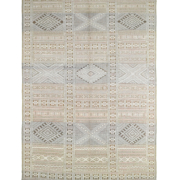
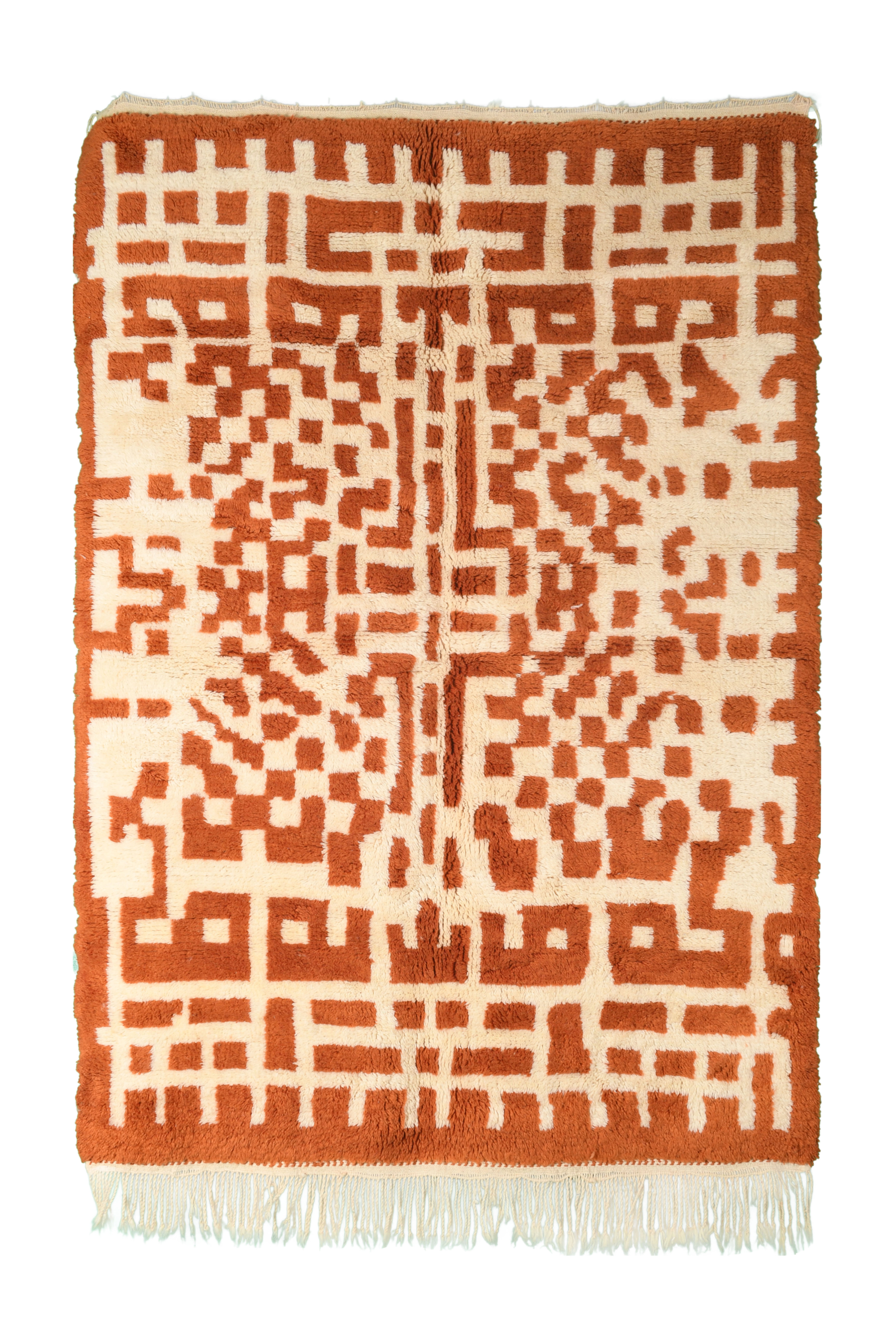
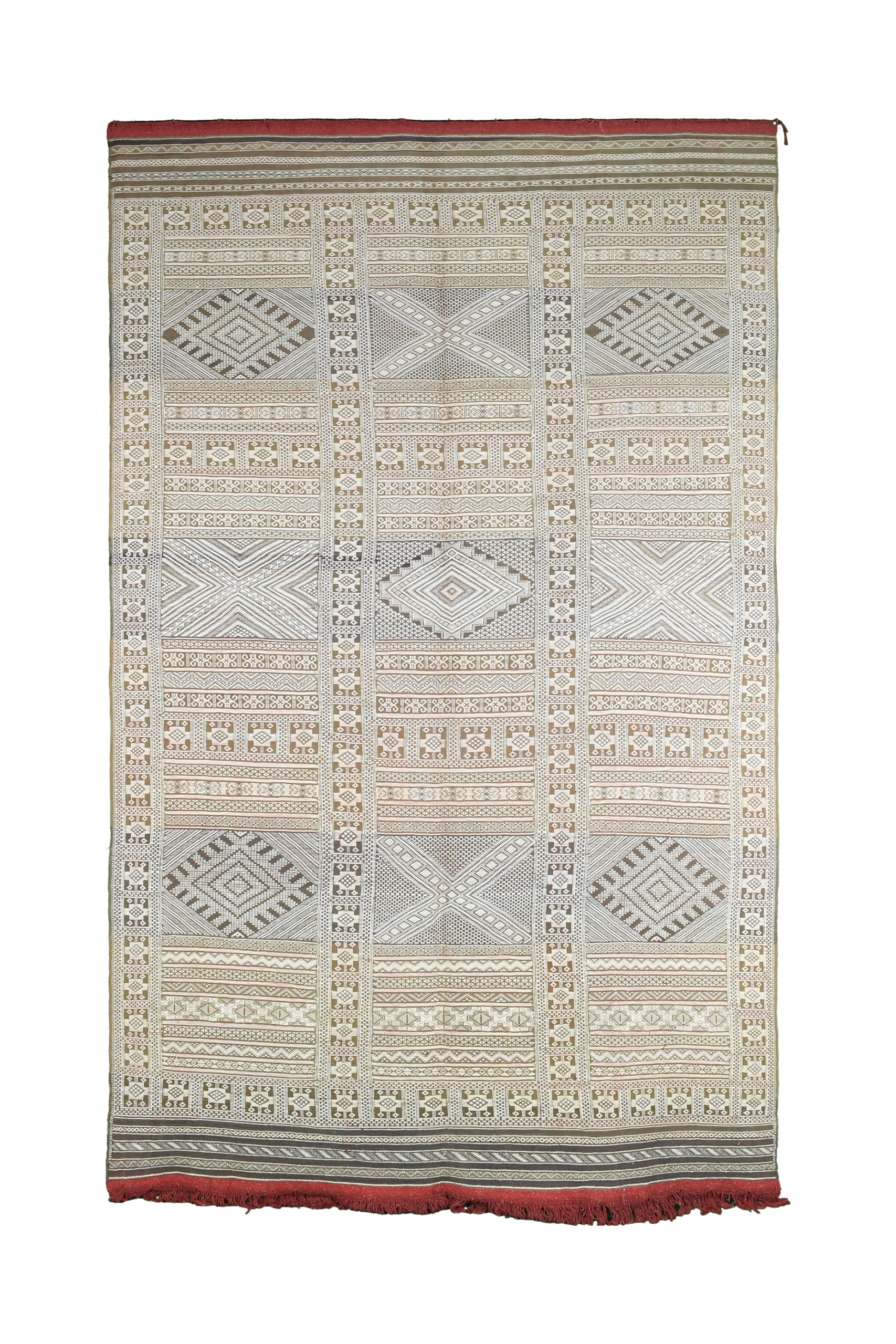
 In March 2024, I visited Morocco just for fun, but of course I gravitated to hand craft. In Casablanca, I was delighted to serendipitously bump into an exhibition celebrating National Handicrafts Week, sponsored by His Majesty King Mohammed VI. Booths of superb carpets were beautifully displayed. WeBerber was the one that particularly caught my eye. The two Amazigh (Berber) entrepreneurs welcomed my friend and me, and enthusiastically showed us weavings by at least three different communities. Most amazing were beautiful silk tassels that they explained serve as Amazigh women’s traditional underwear. Today the tassel yarns are recycled into new carpets.
I began to follow this enterprise on Instagram. WeBerber https://moroccan-carpet.com @the_moroccan_carpet is a leading provider of traditional Moroccan rugs that was founded in 2017 by Abdelghani Hammoud, of the third generation of a Moroccan Berber artisan family. Situated in Khemisset, near Rabat in the Middle Atlas mountains, the enterprise embodies a rich heritage in crafting exquisite handmade wool rugs and is committed to quality and authenticity.
I was happy to learn that on 14 May 2024, WeBerber launched their latest collection of traditional and contemporary natural dyed and hand knotted and woven Moroccan rungs. The carpets are crafted with wonderful geometric patterns that narrate Amazigh (Berber) terrain, lifestyle, and cultural heritage. The collection debuted at the opening of the Morettina showroom in Dar Bouazza.
Not only are WeBerber carpets visually delicious; they also preserve and celebrate traditional knowledge, craftsmanship, and creative innovation –and they provide sustainable income opportunities for Amazigh artisans, a winning recipe close to my heart.
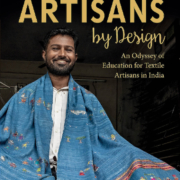
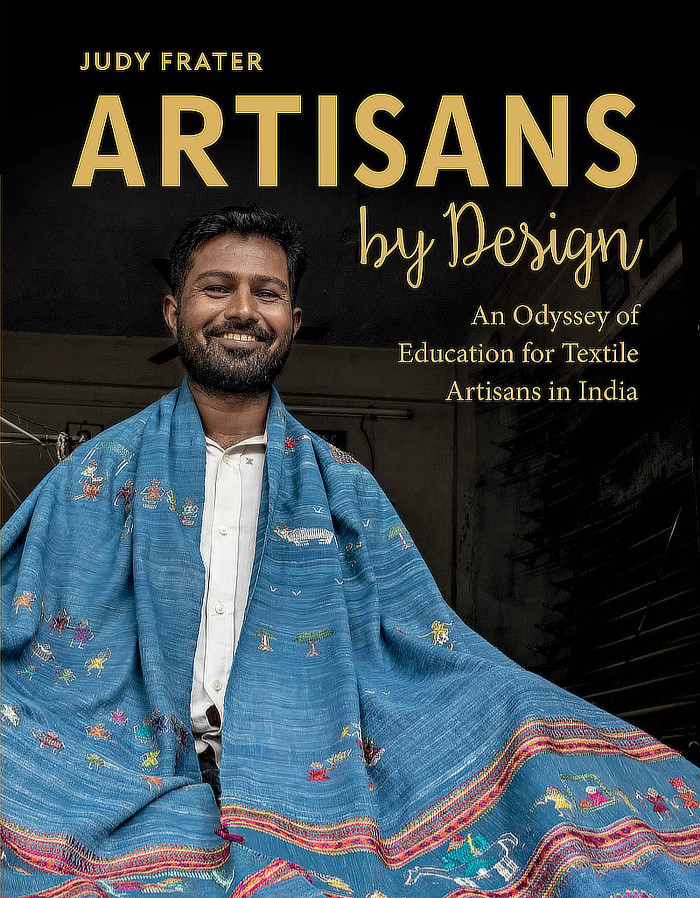 Artisans by Design chronicles the journey of developing the first design school for artisans in India and fifteen years of artisans learning design. Spanning 50 years, the story is told in vignettes of artisans who were part of the journey, intertwined with the author’s story. Through this dialogue, the reader experiences what happened, how and why, and what its impact has been on traditional artisans in the contemporary world.